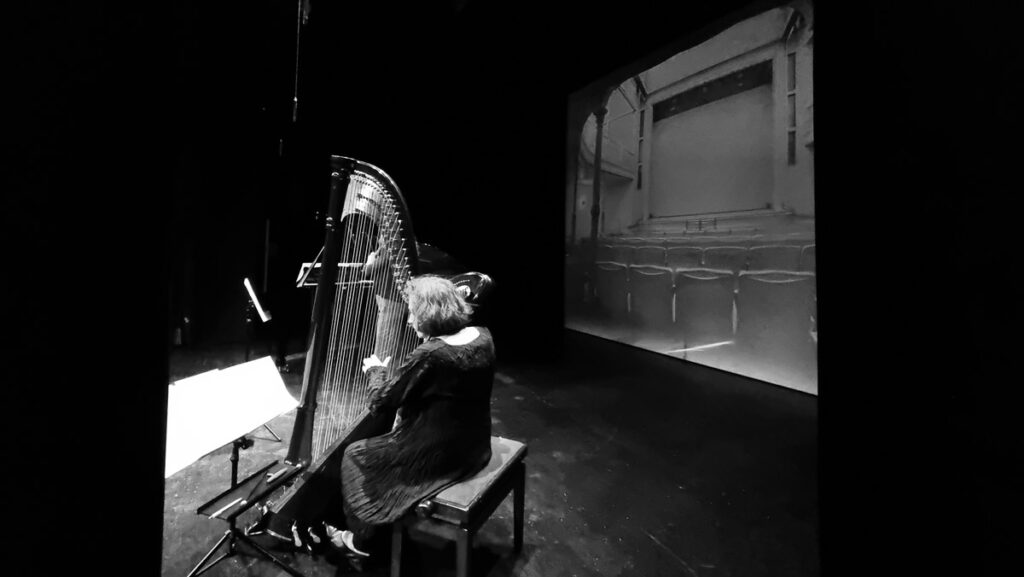
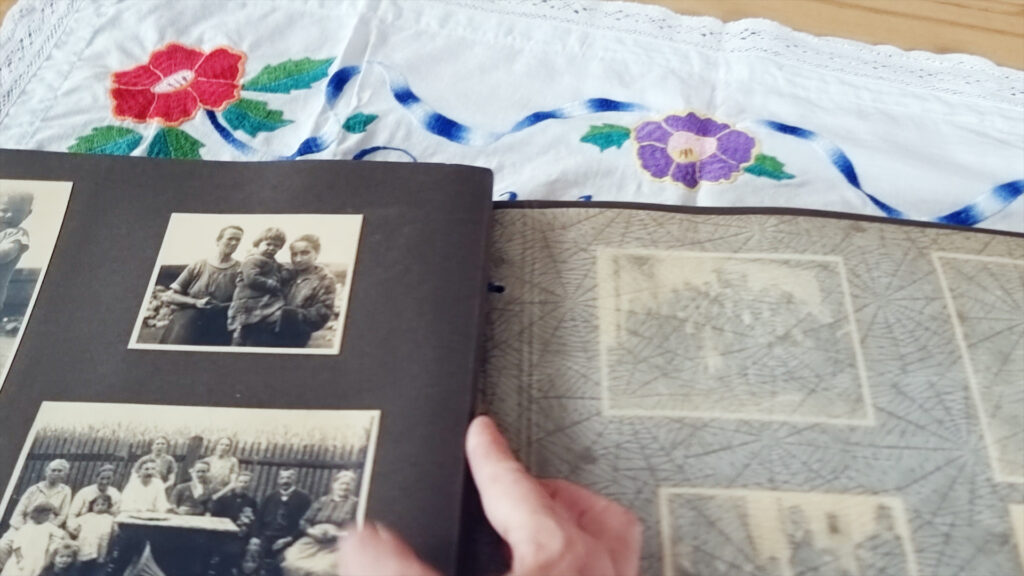
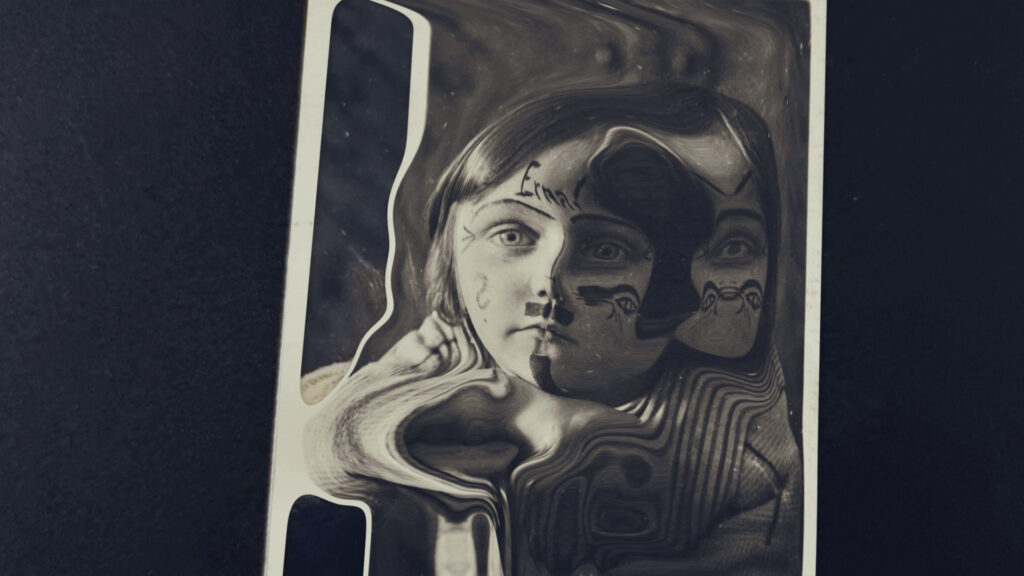
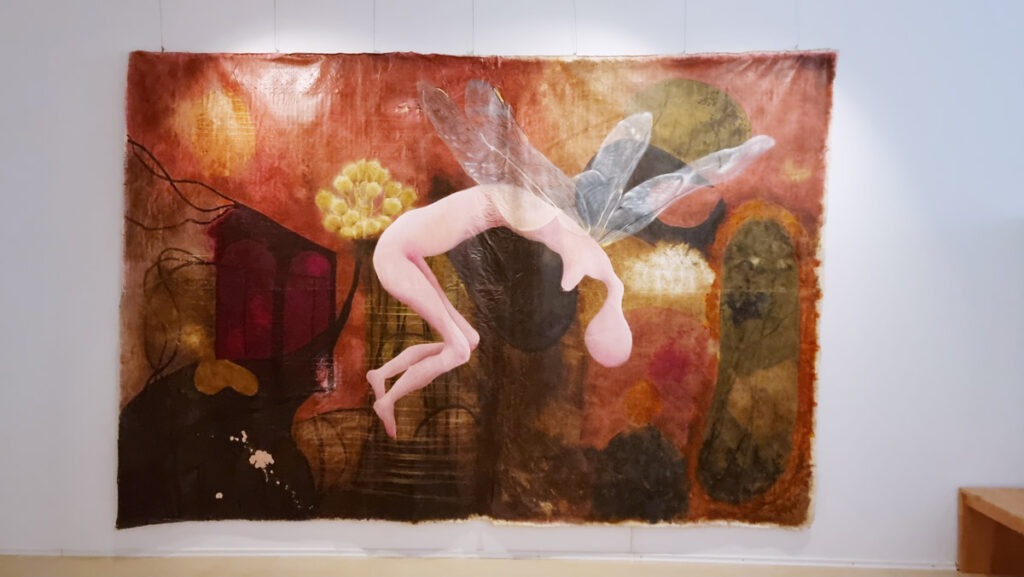
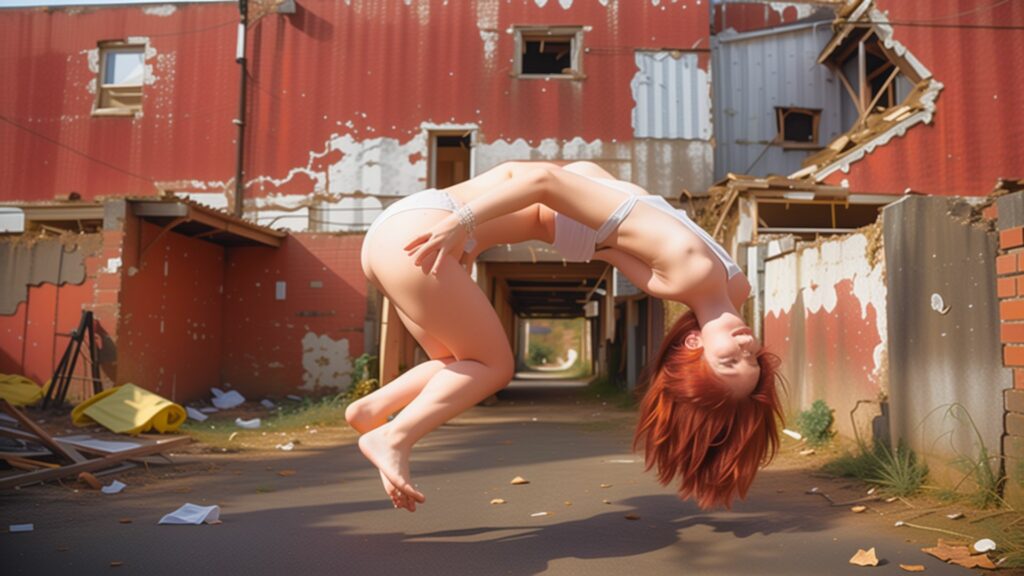
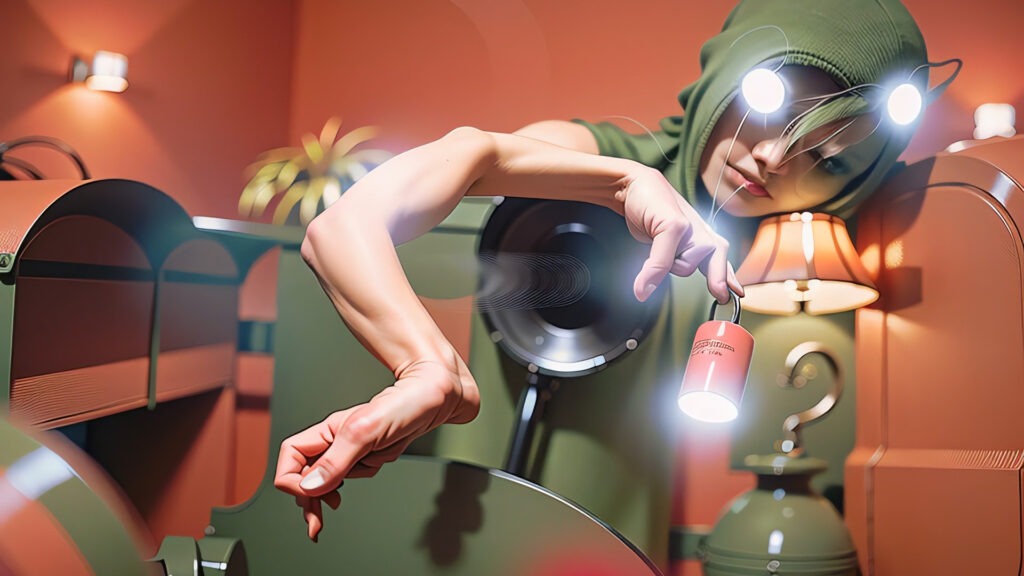
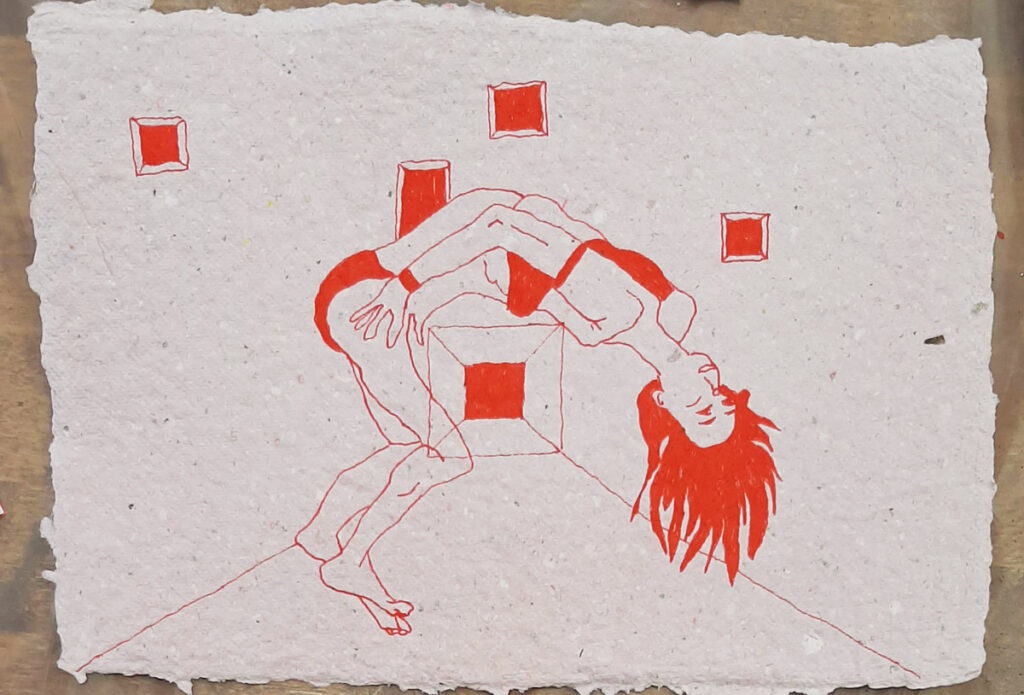
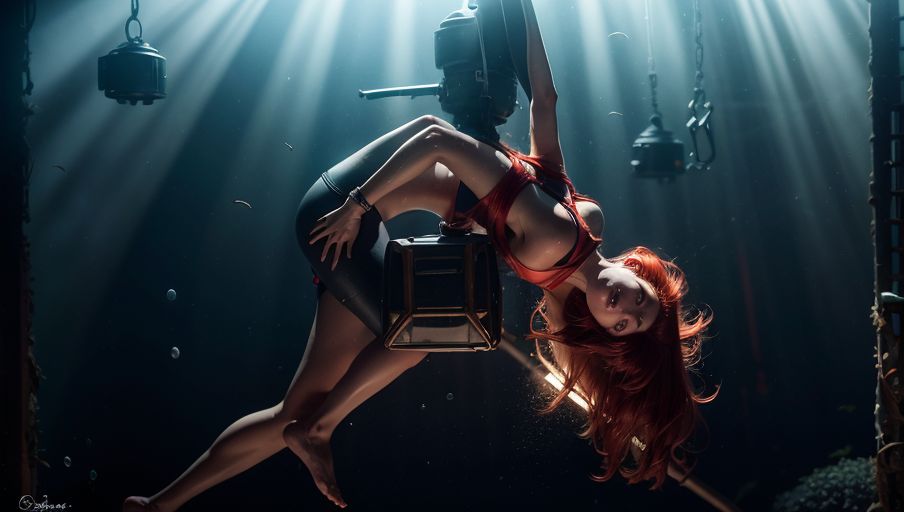
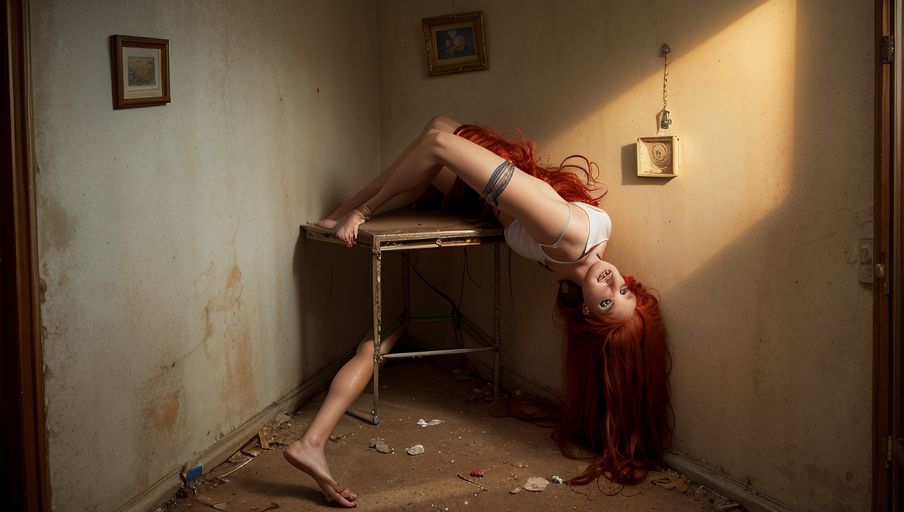
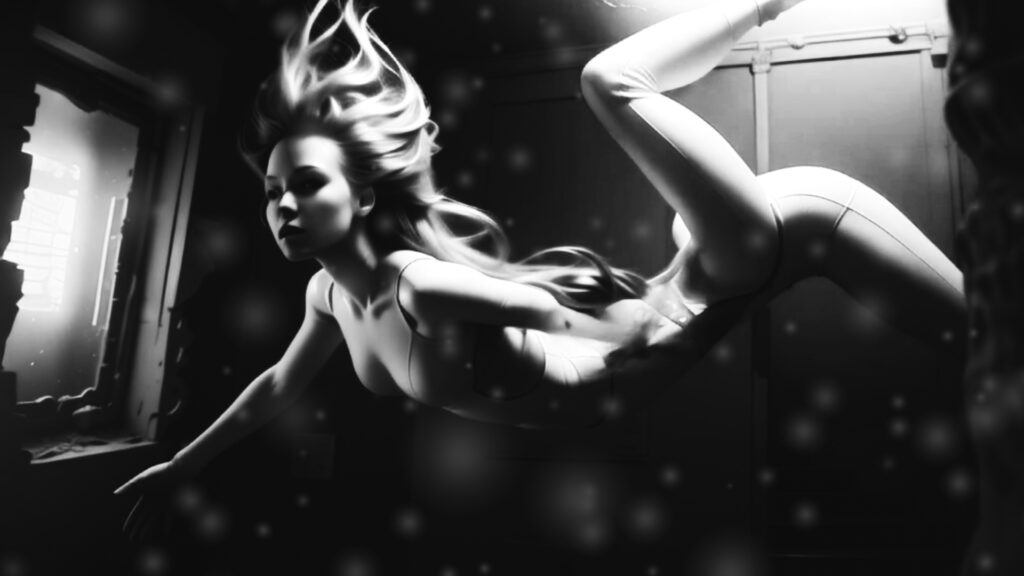
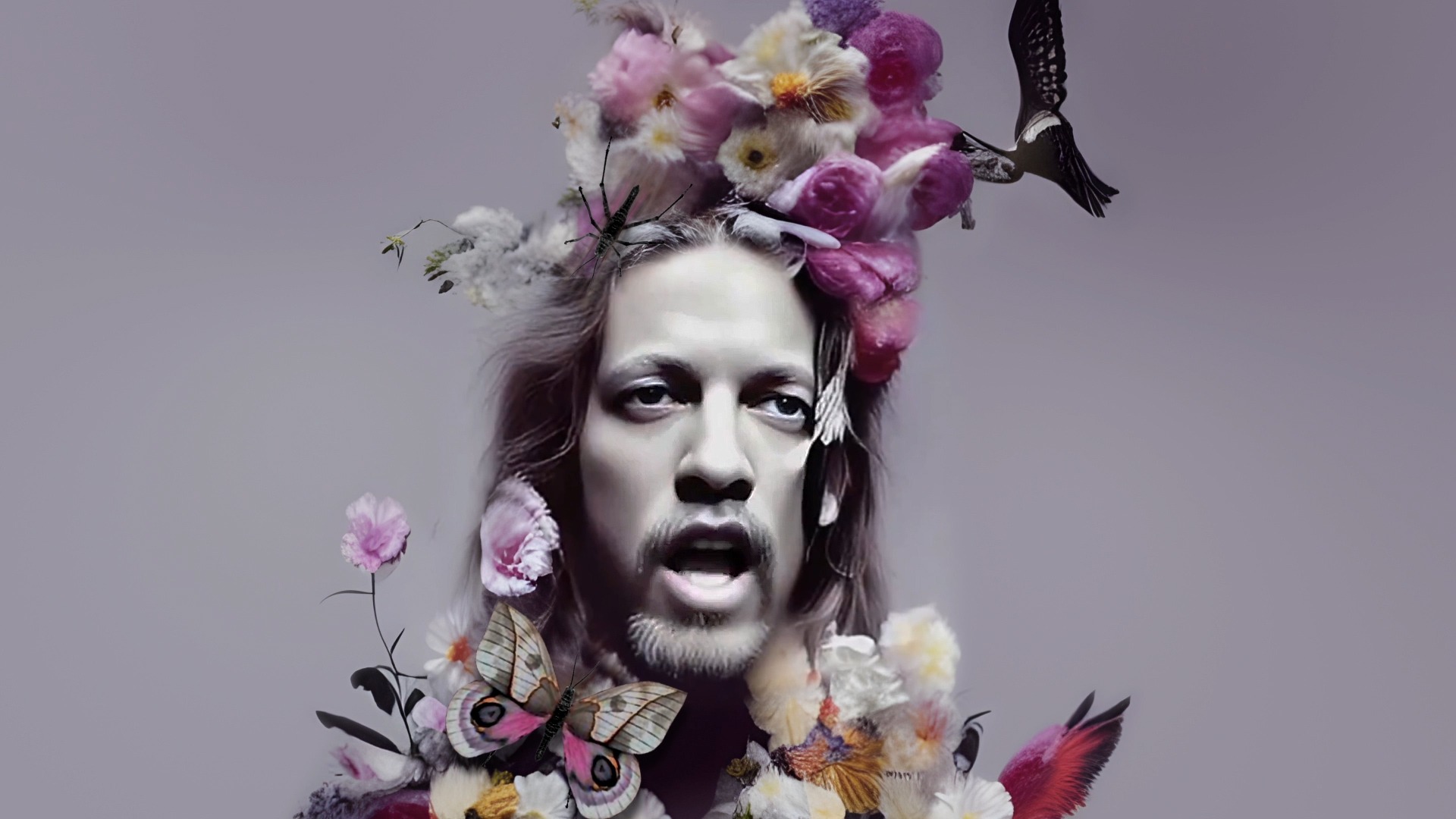
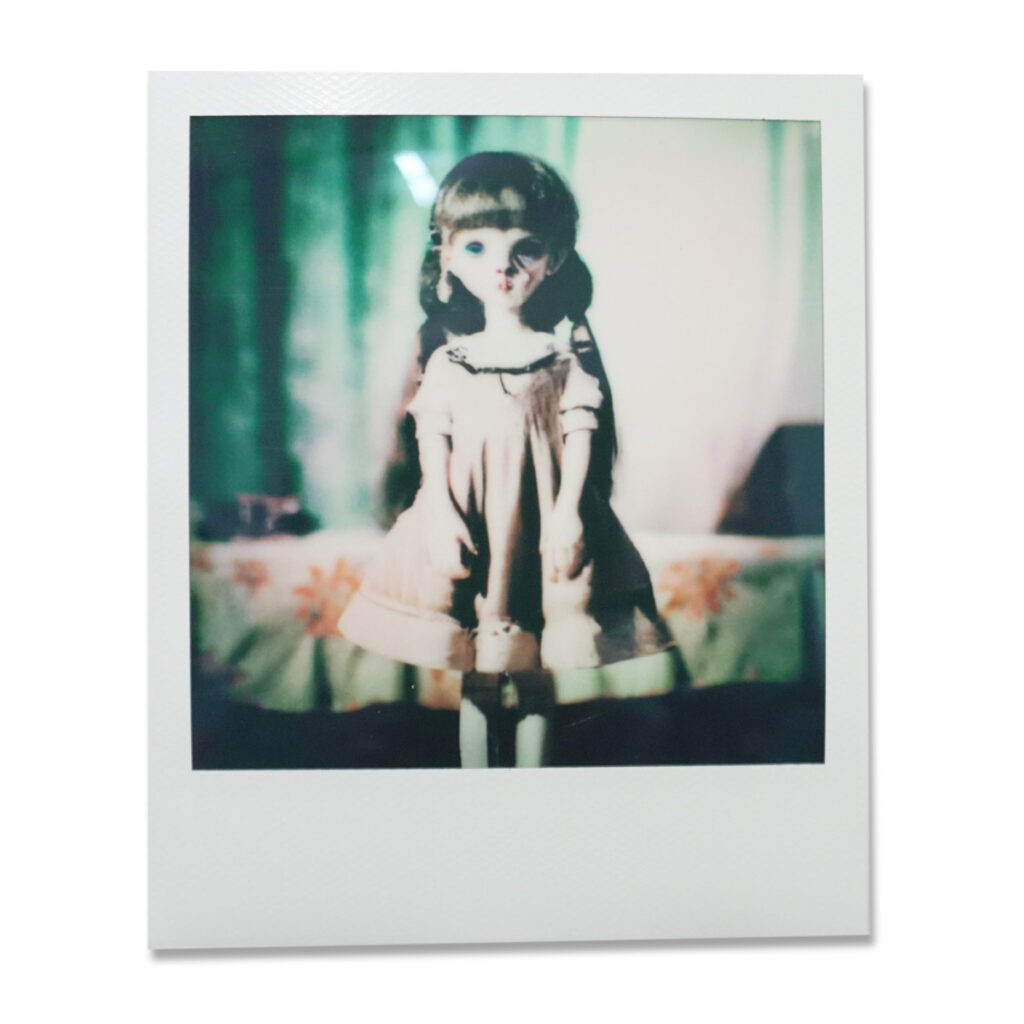
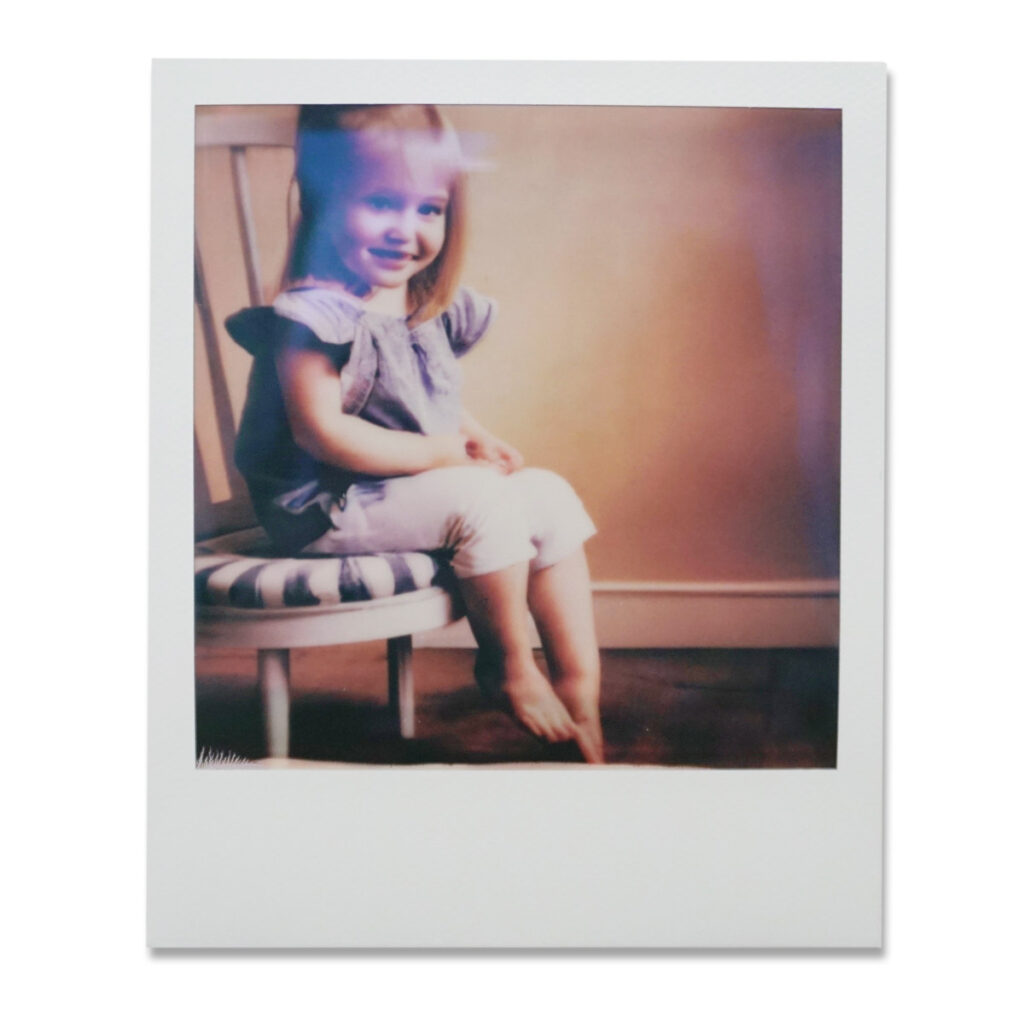
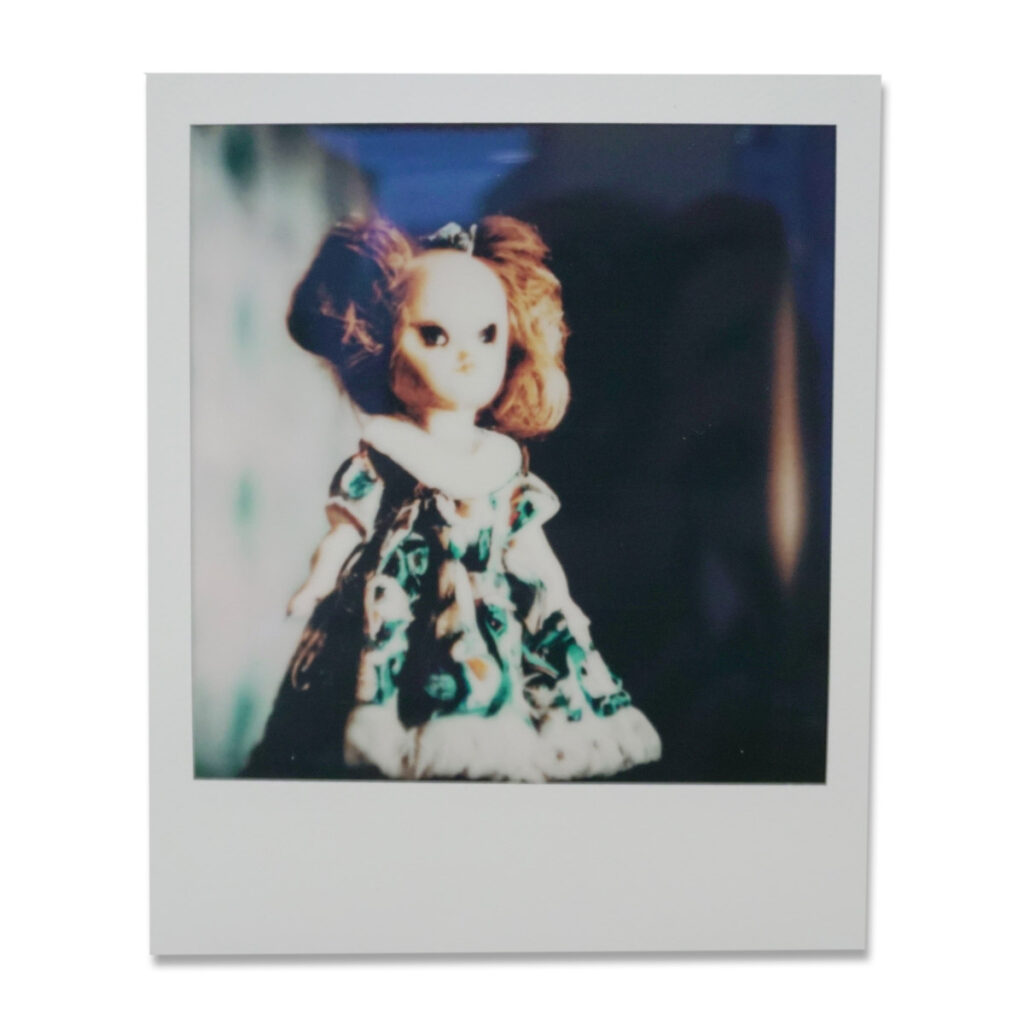
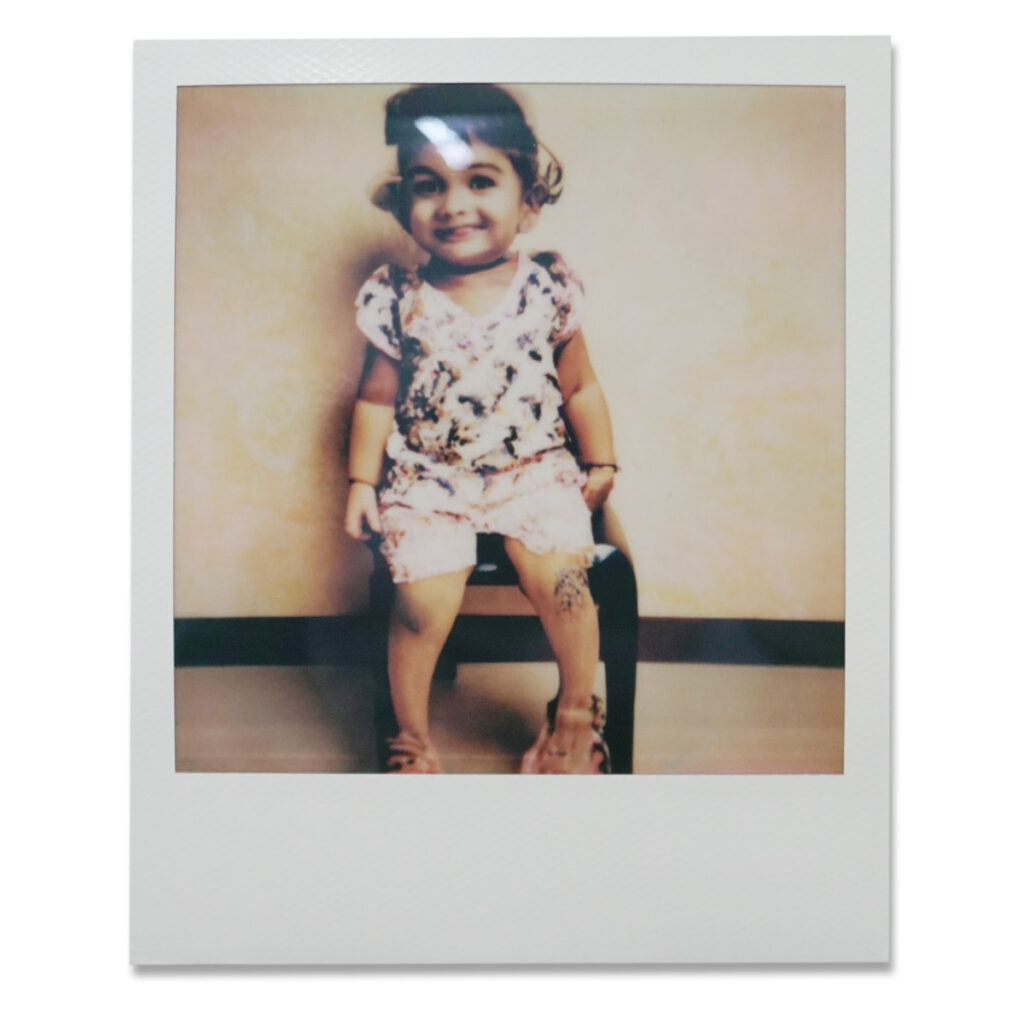
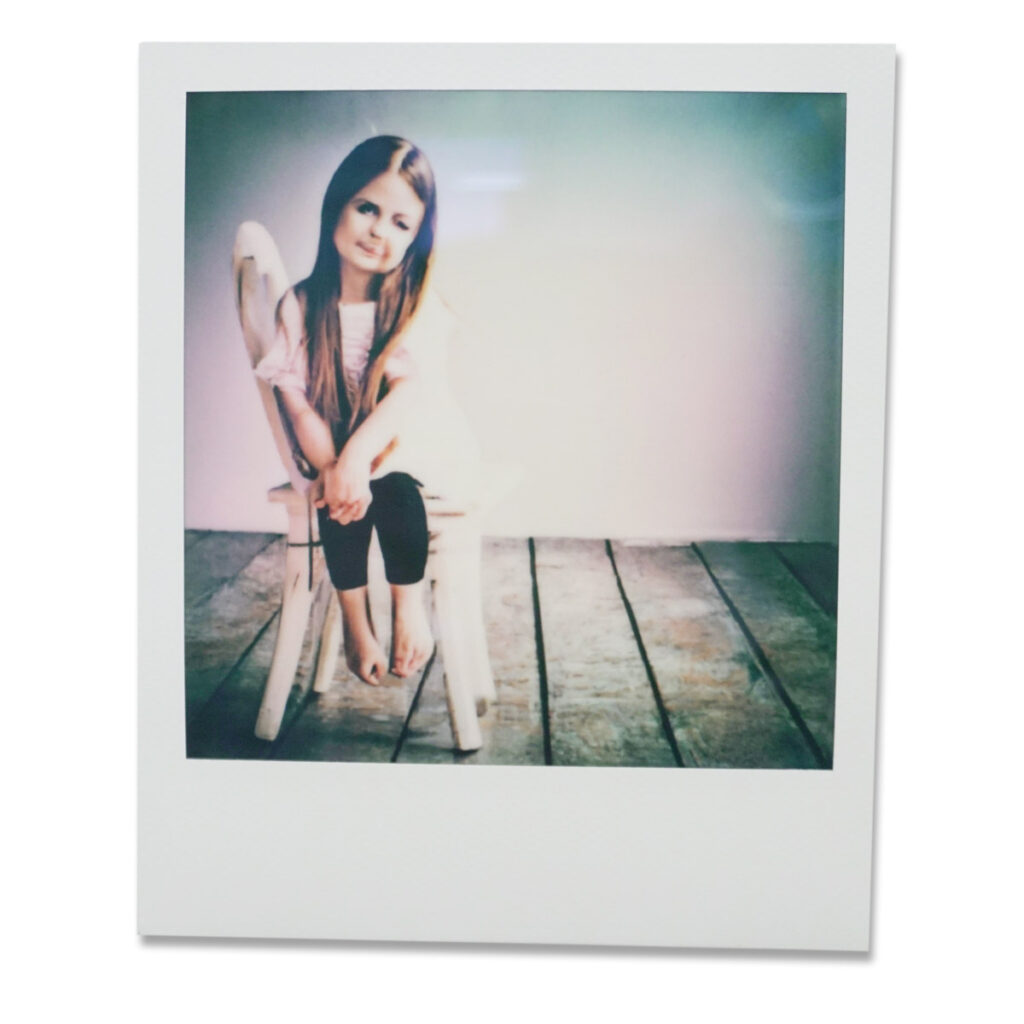
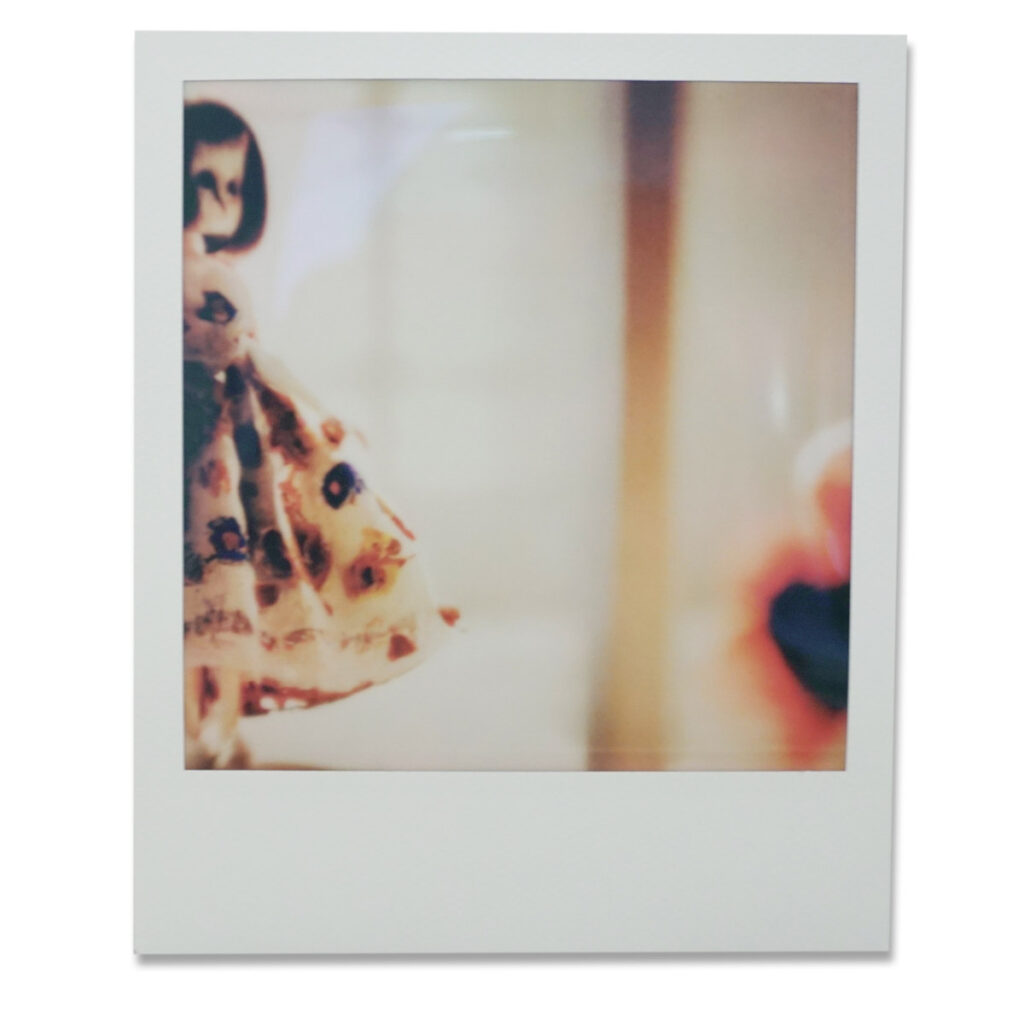
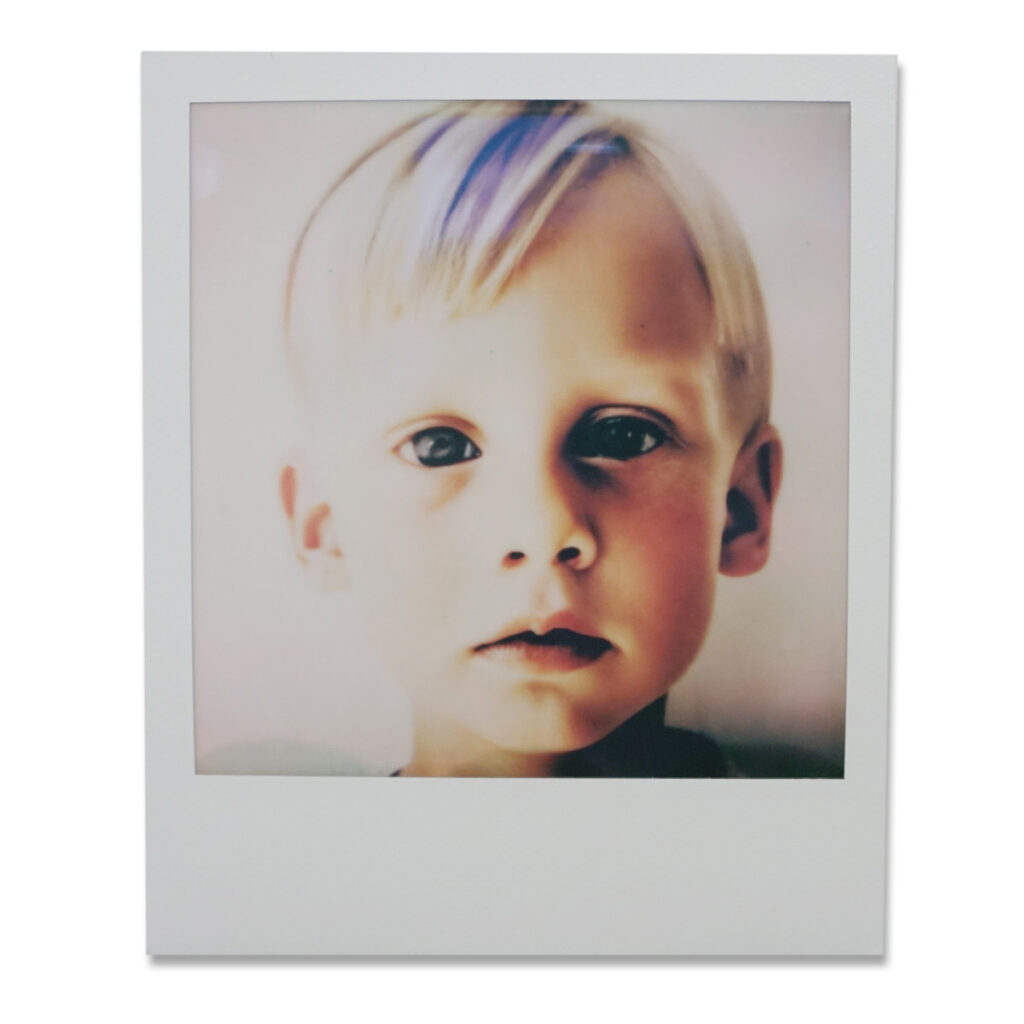
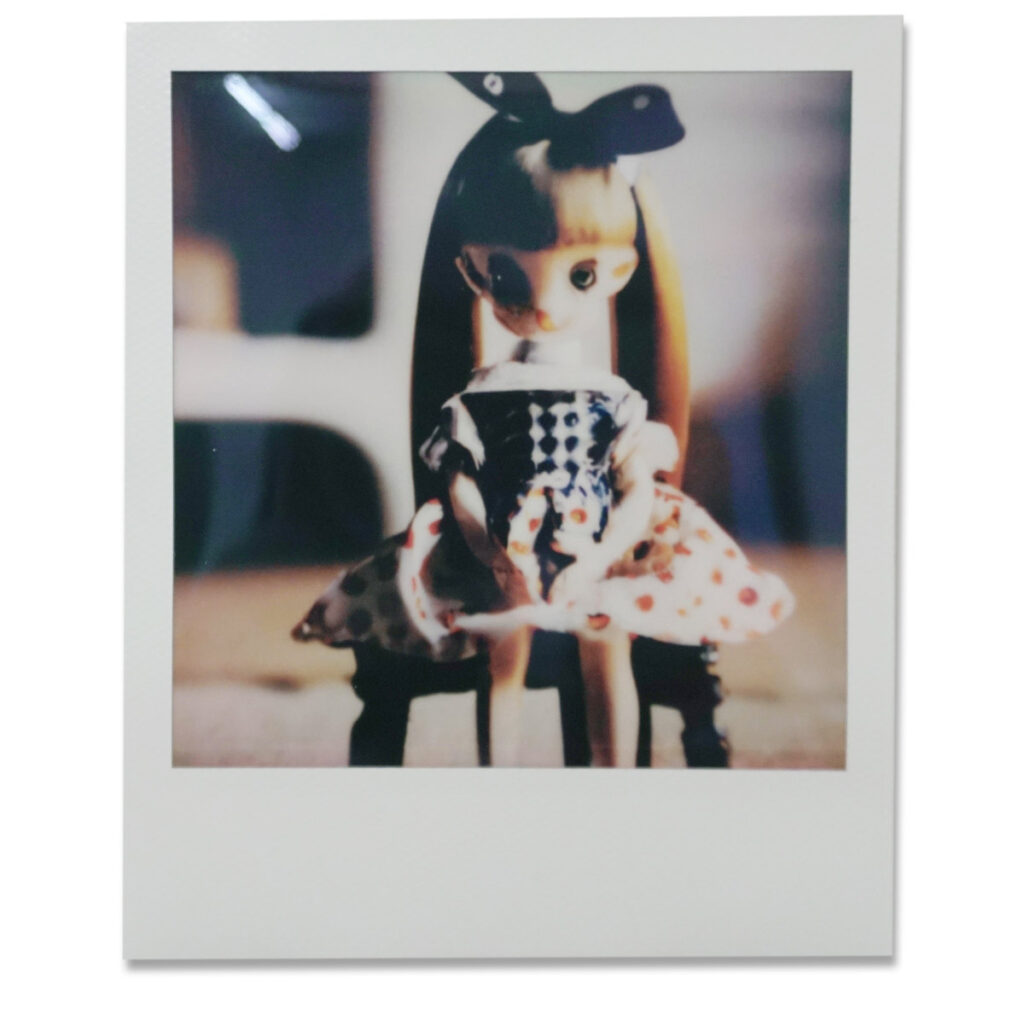
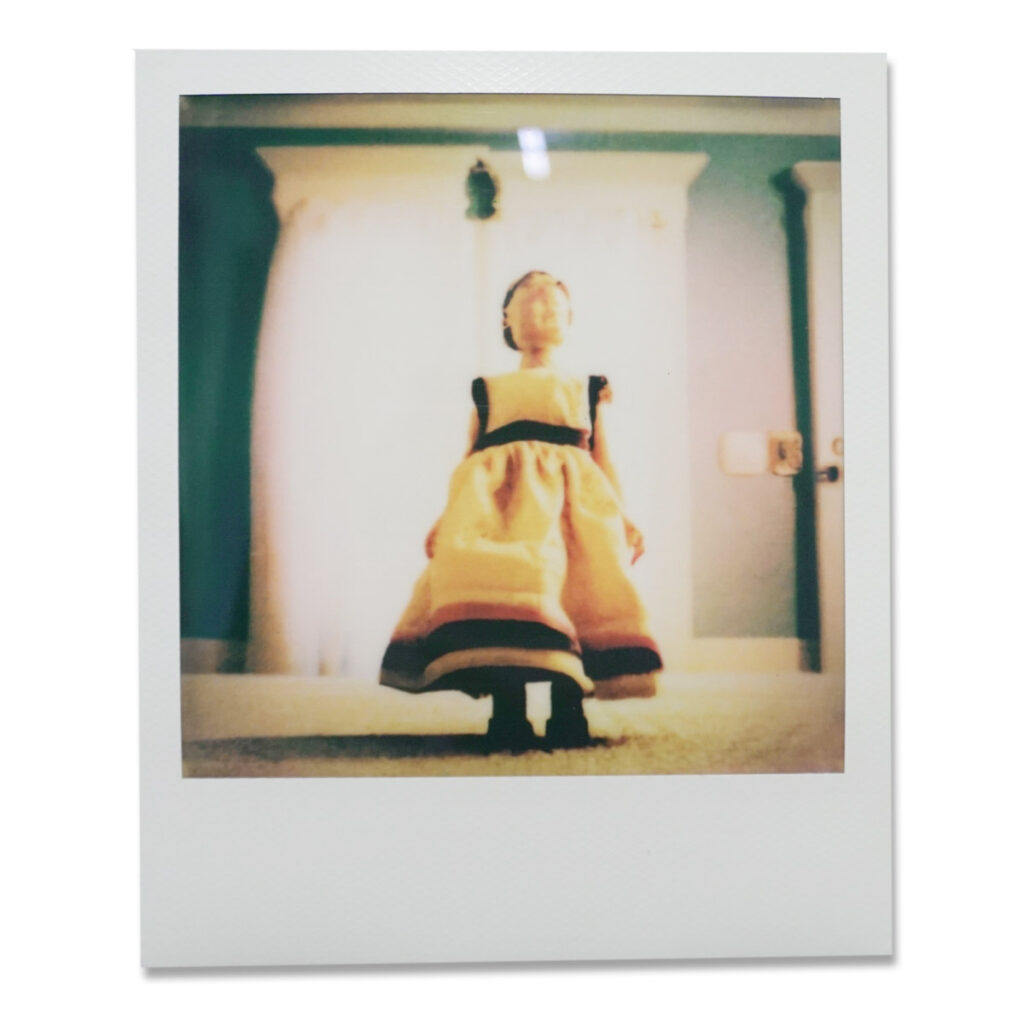
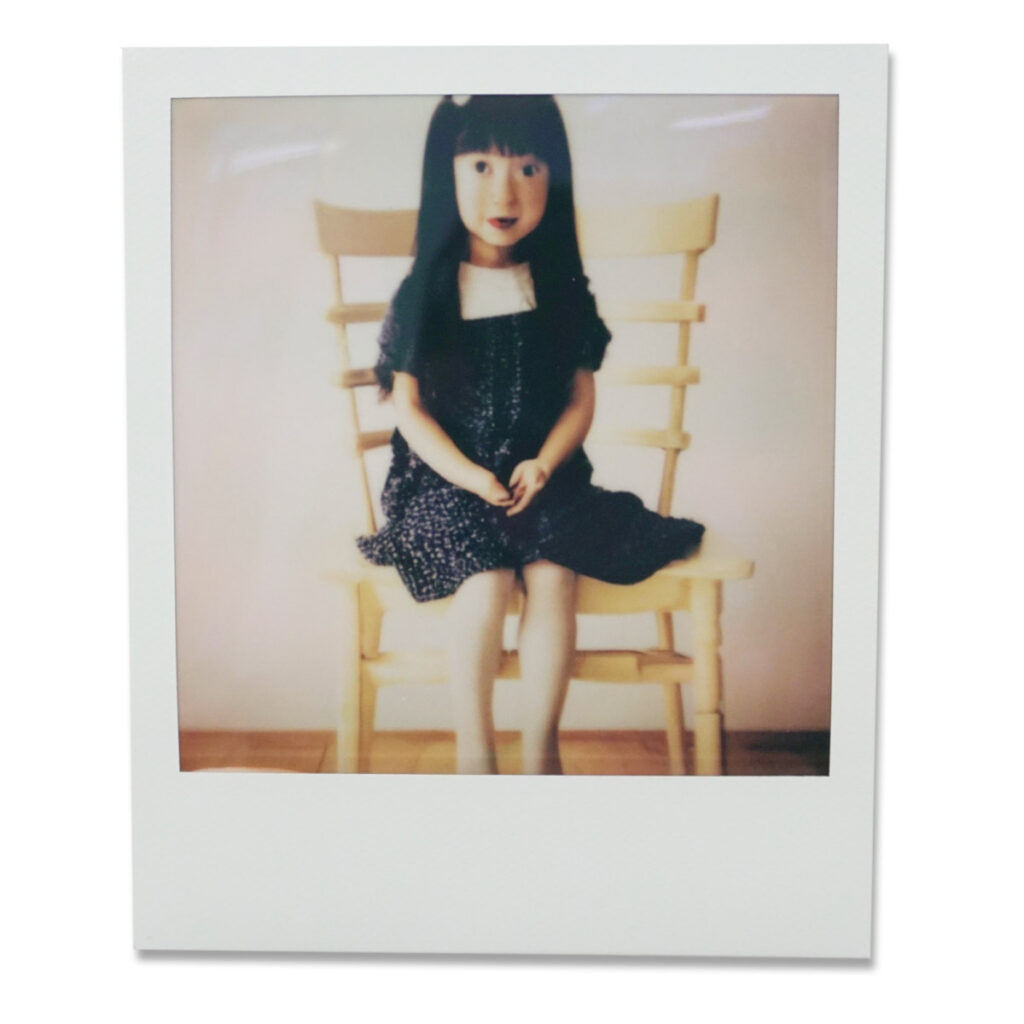
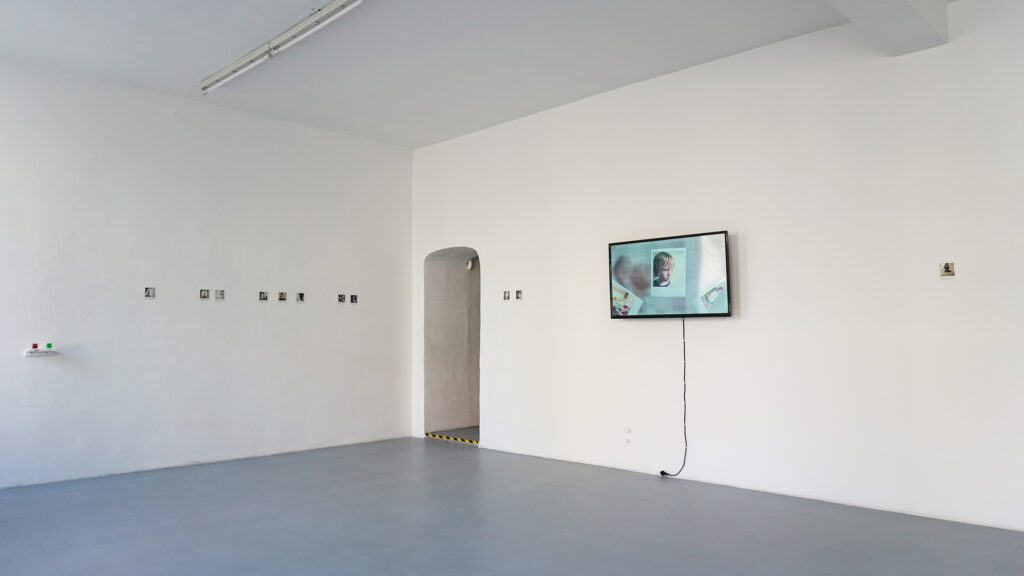
A real existing space runs through a “what-if” of infinite possibilities, thought up by me, visualised by an artificial intelligence. This work was produced for the event “…WILL BE EATEN BY THE RAVENS” at the Stadttheater Neuburg a.d.Donau (16.06.2024). This video was accompanied by a live performance of the piece Nocturne by Lili Boulanger (for flute and harp).
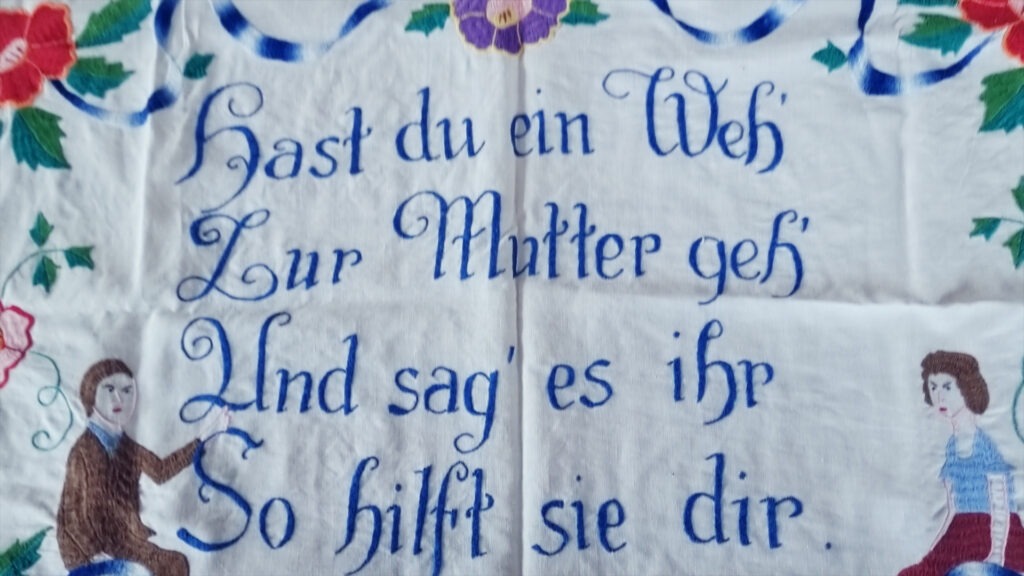
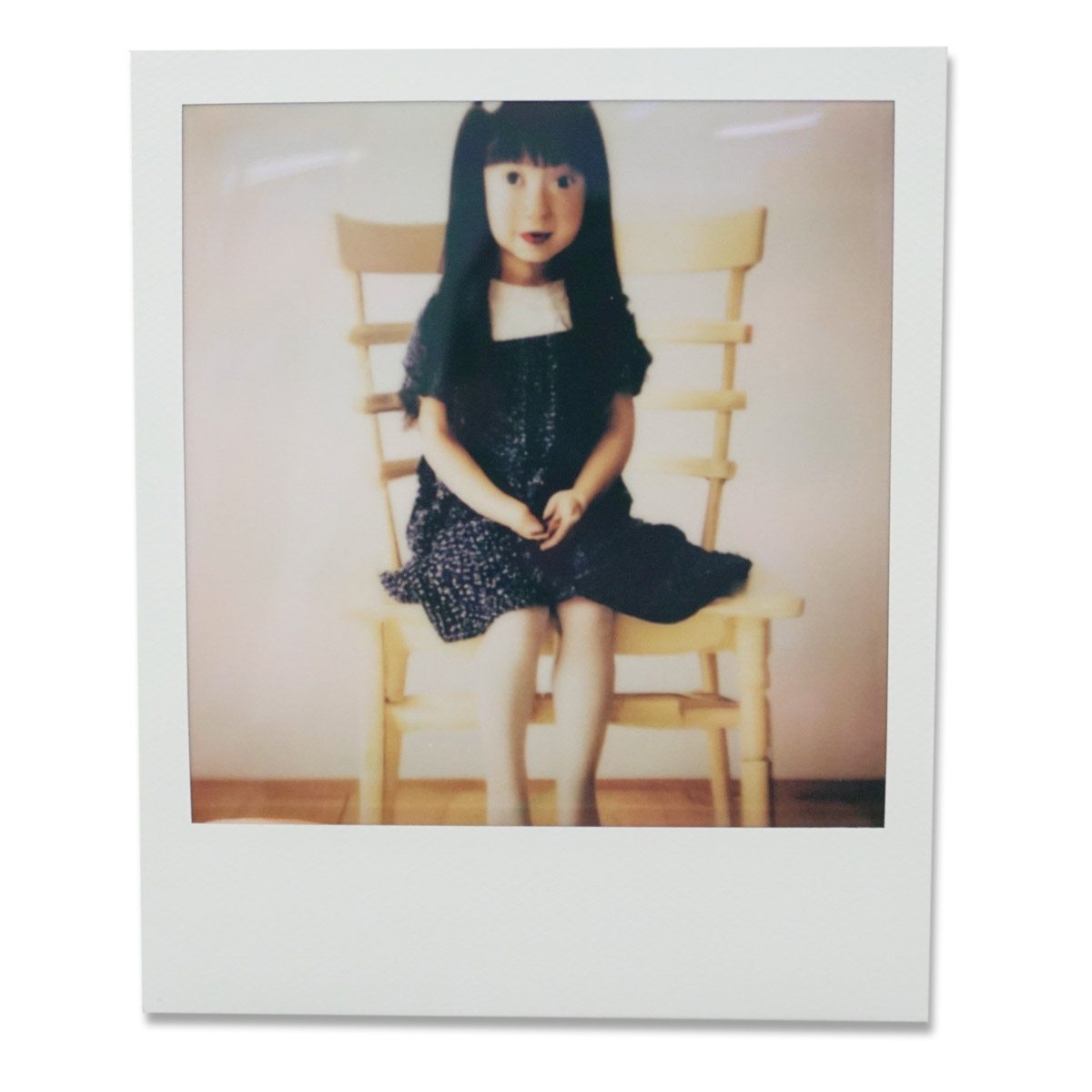
Is this a bedtime story? Hardly! “Mother” is a symbol for “care”. But what is the meaning of “care” and “good mother”? Are there universal criteria that are free of socio-cultural conditioning? In fact, the image of the mother is shaped by social conventions that – viewed over time – have not always been the same.
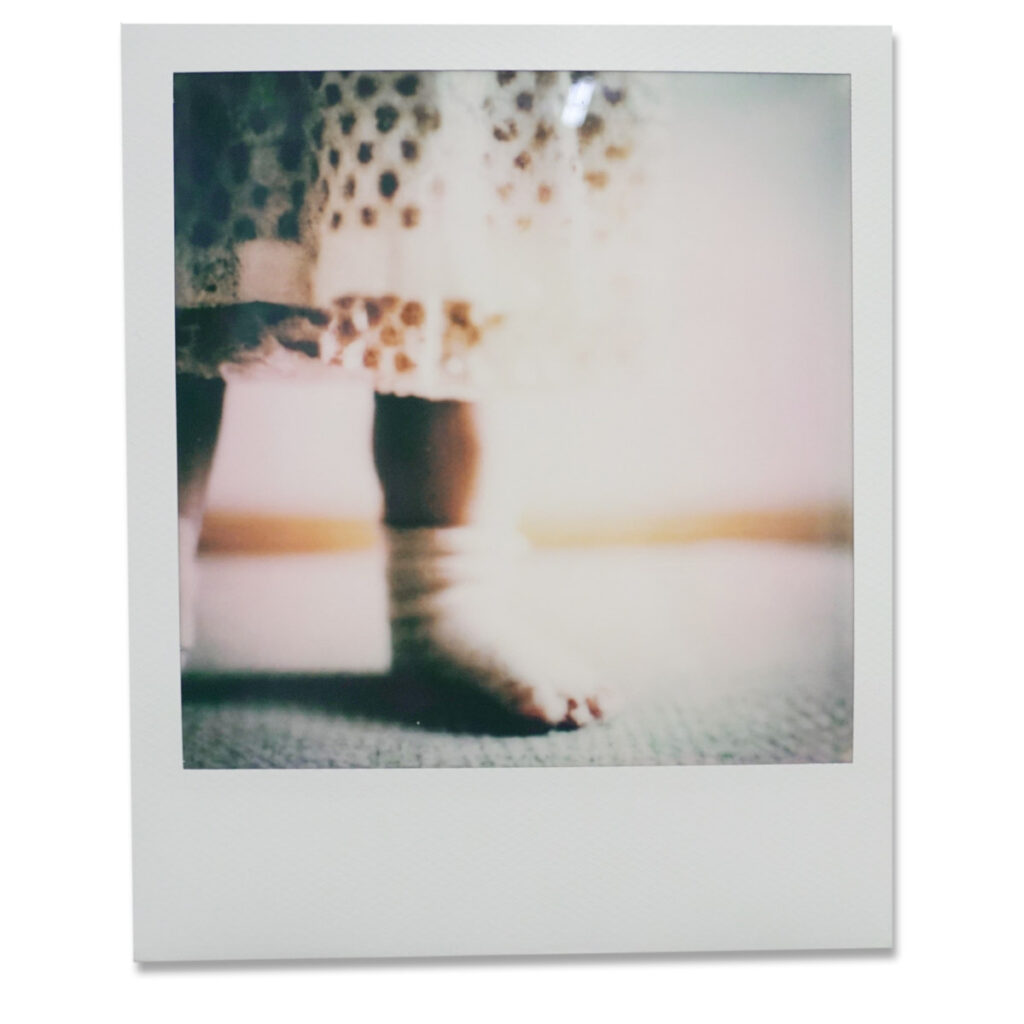
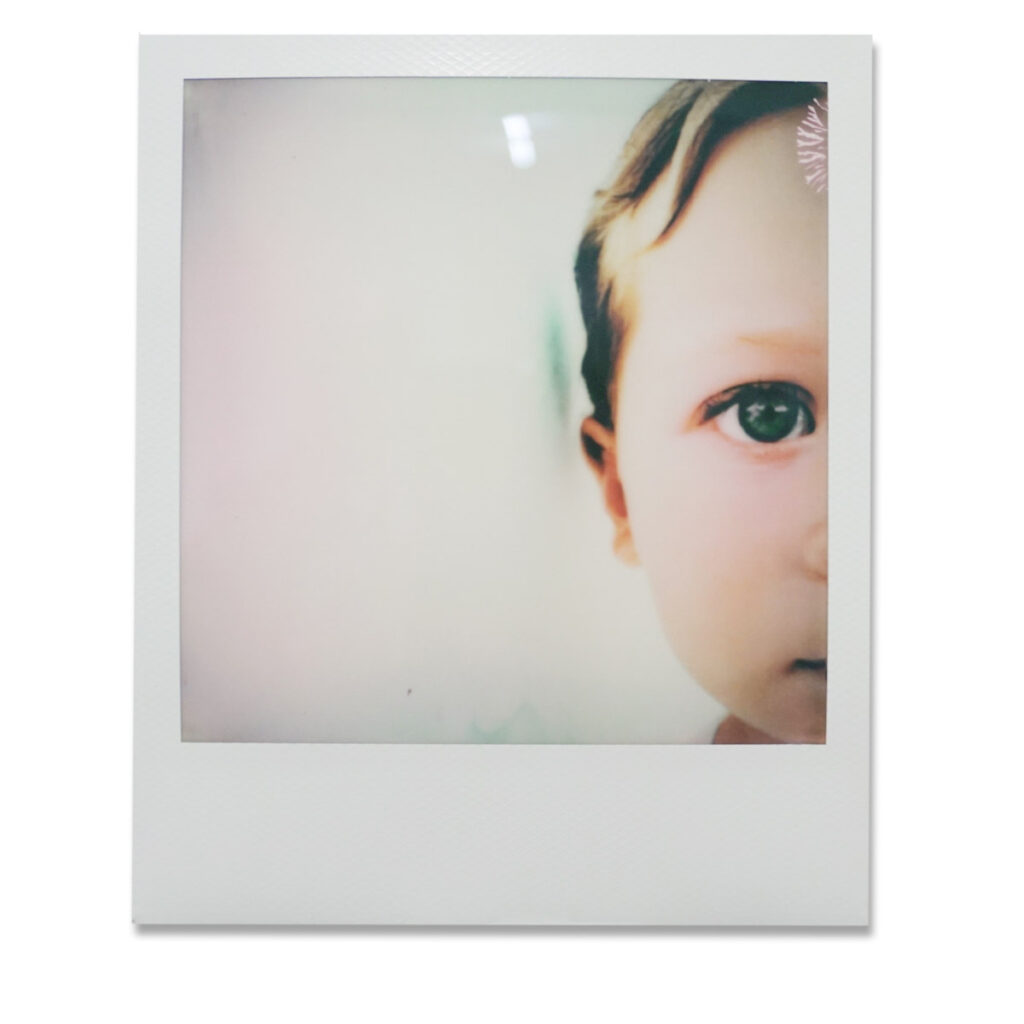
Memories and fairy tales, the true and the imagined, are mixed together here and, with the help of artificial intelligence, become an animated nightmare.
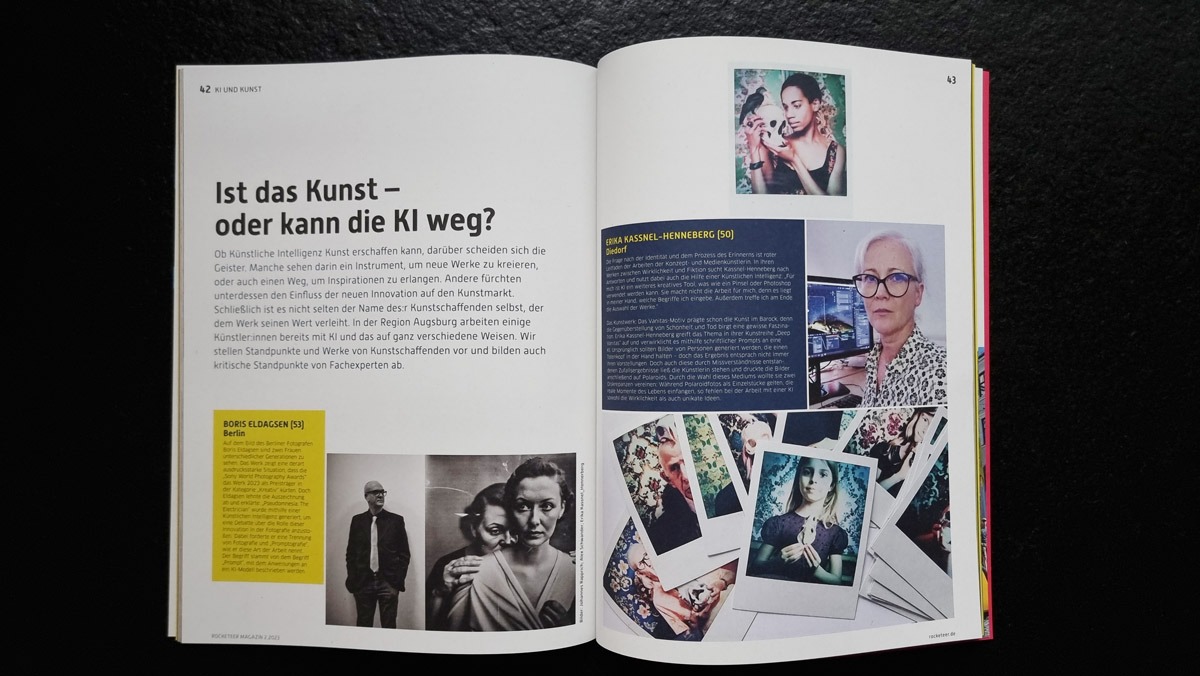
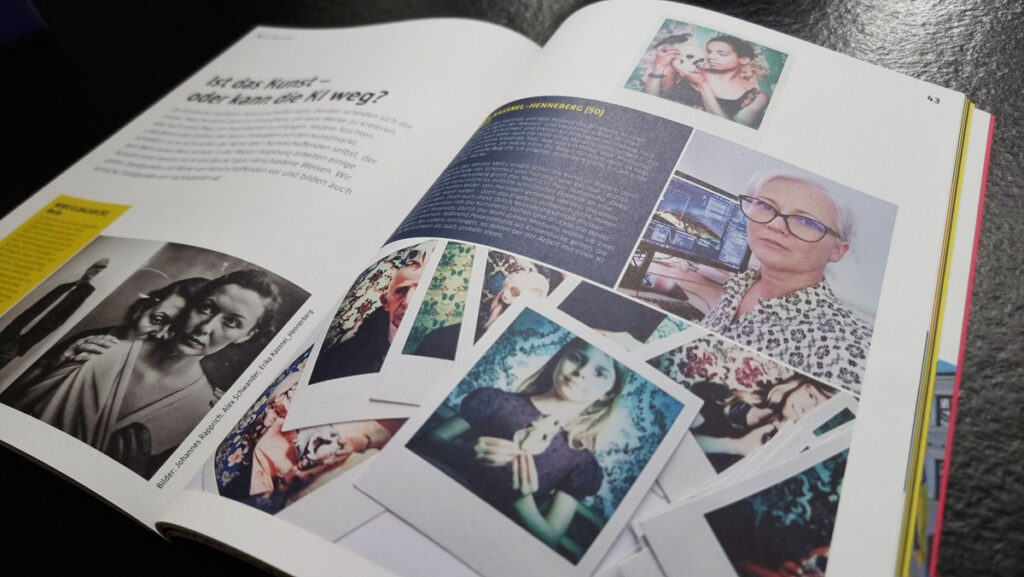
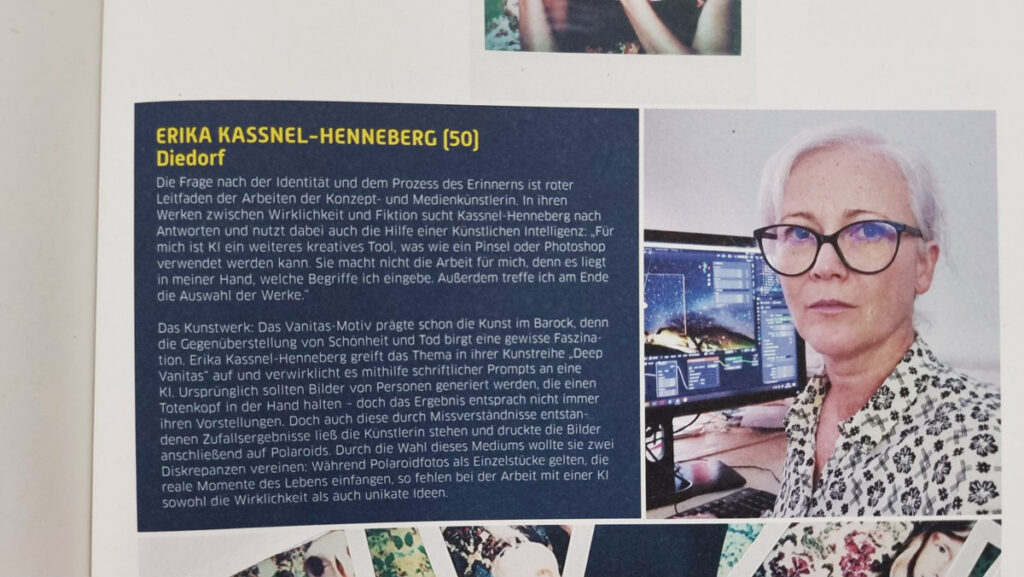
Artificial intelligence is increasingly shaping our society, whether as intelligent household appliances or applications that make everyday routines easier, as universal geniuses that find answers to almost all of our questions, or as viral images and videos that cause amazement, amusement or horror on social media. A feeling of insecurity spreads in the face of so much intelligent anarchy. The artists Silke Bachmann (painting, drawing) and Erika Kassnel-Henneberg (video, AI, concept, Polaroid) want to counteract this.
In this joint project, the artists want to explore the creative potential of a dialog between AI and traditional art techniques. As a thematic limitation and common thread, they deal with dreams as echo chambers of everyday experiences, memories and fears.
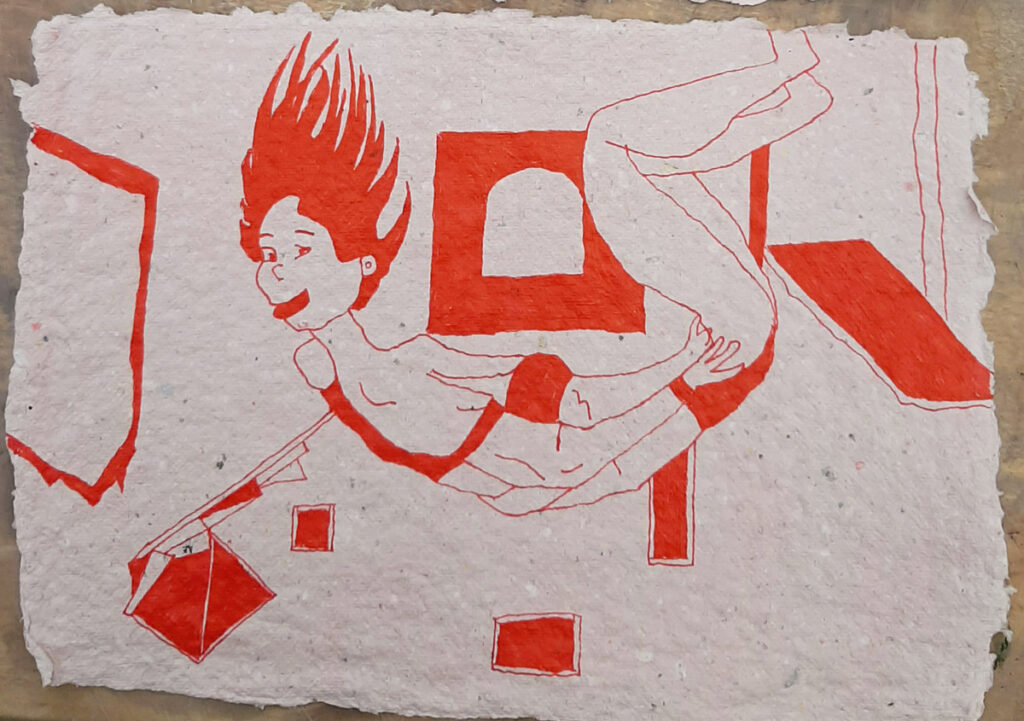
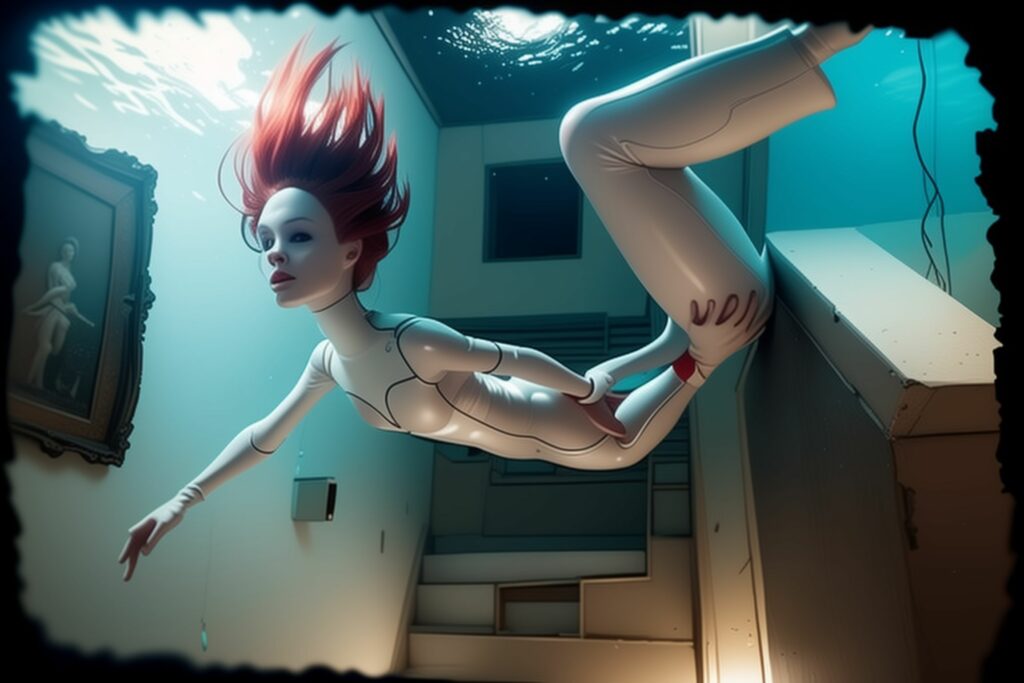
Based on texts about their own dreams and memories, a text-to-image AI is “fed” with terms in order to visualize surreal scenes. These outputs serve as the basis for further processing with a traditional medium (e.g. drawing or painting), which in turn can become the initial image of an AI application, and so on. Like an echo, the various media relate to each other in terms of content and time and at the same time symbolize the idea of the echo chamber.
“The technically feasible and its creative realization have always fascinated artists and audiences alike. The options created by AI catapult these possibilities to new levels.” (a3kultur)
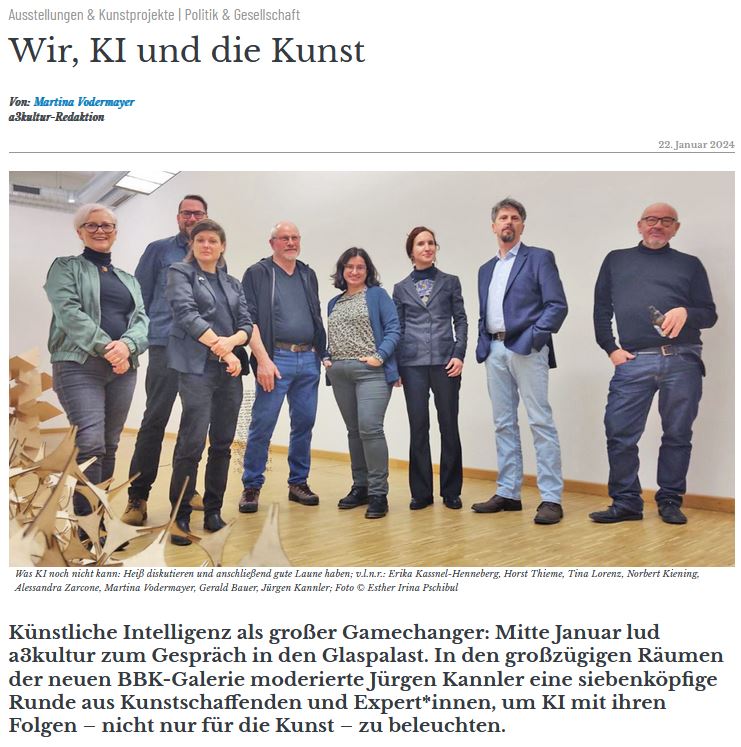
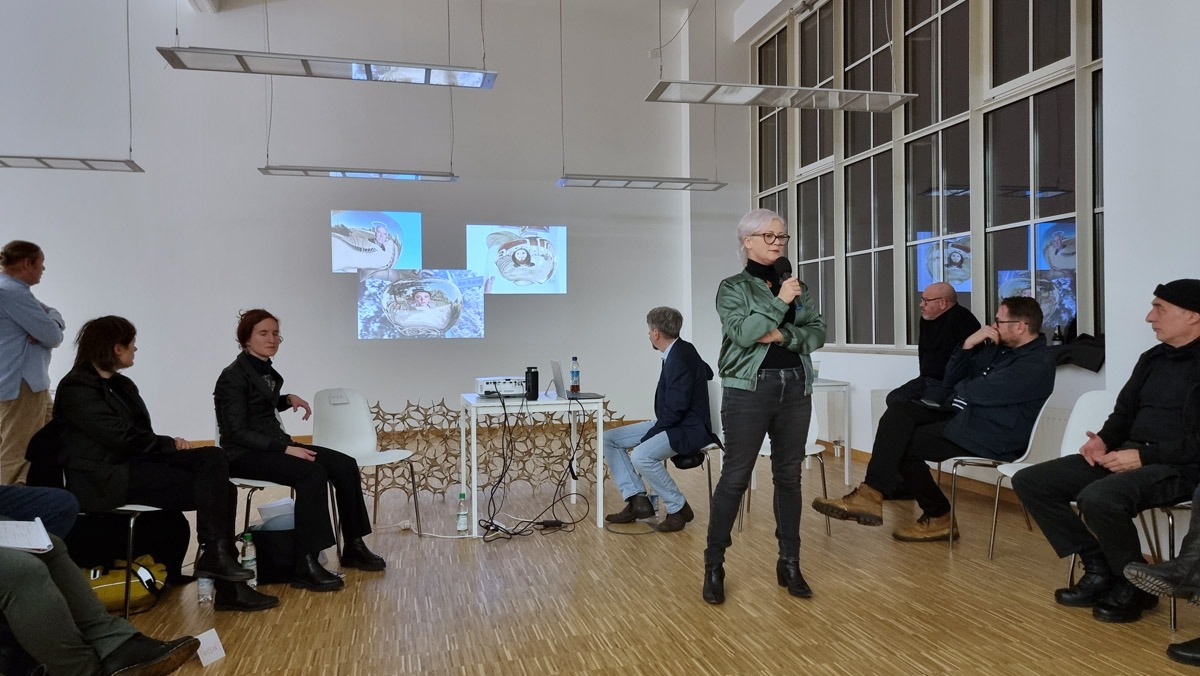
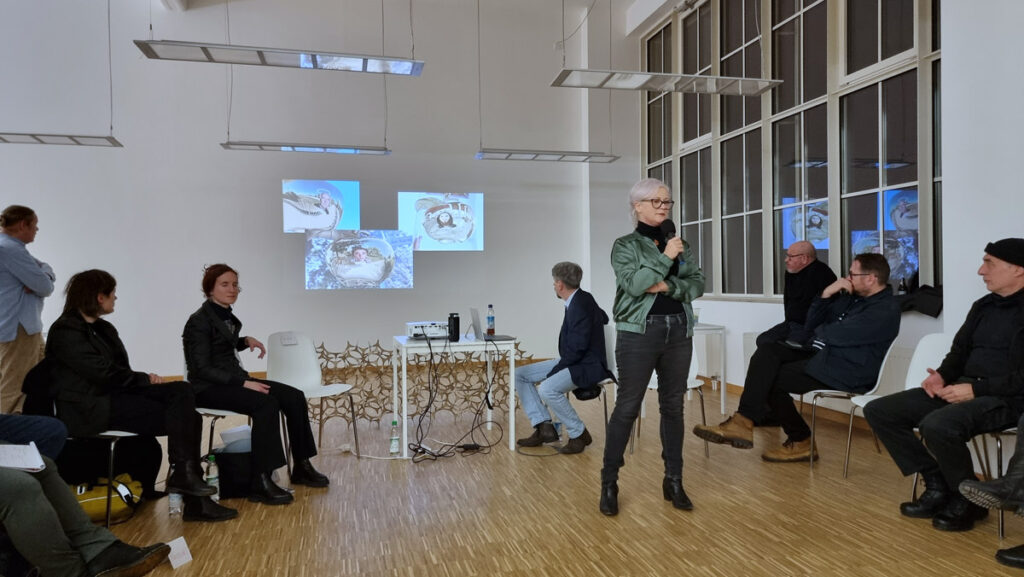
When: Saturday, 20.01.2024, 6 to 7.30 pm.
Where: in the rooms of the BBK, Glaspalast, Am Glaspalast 1, 86153 Augsburg.
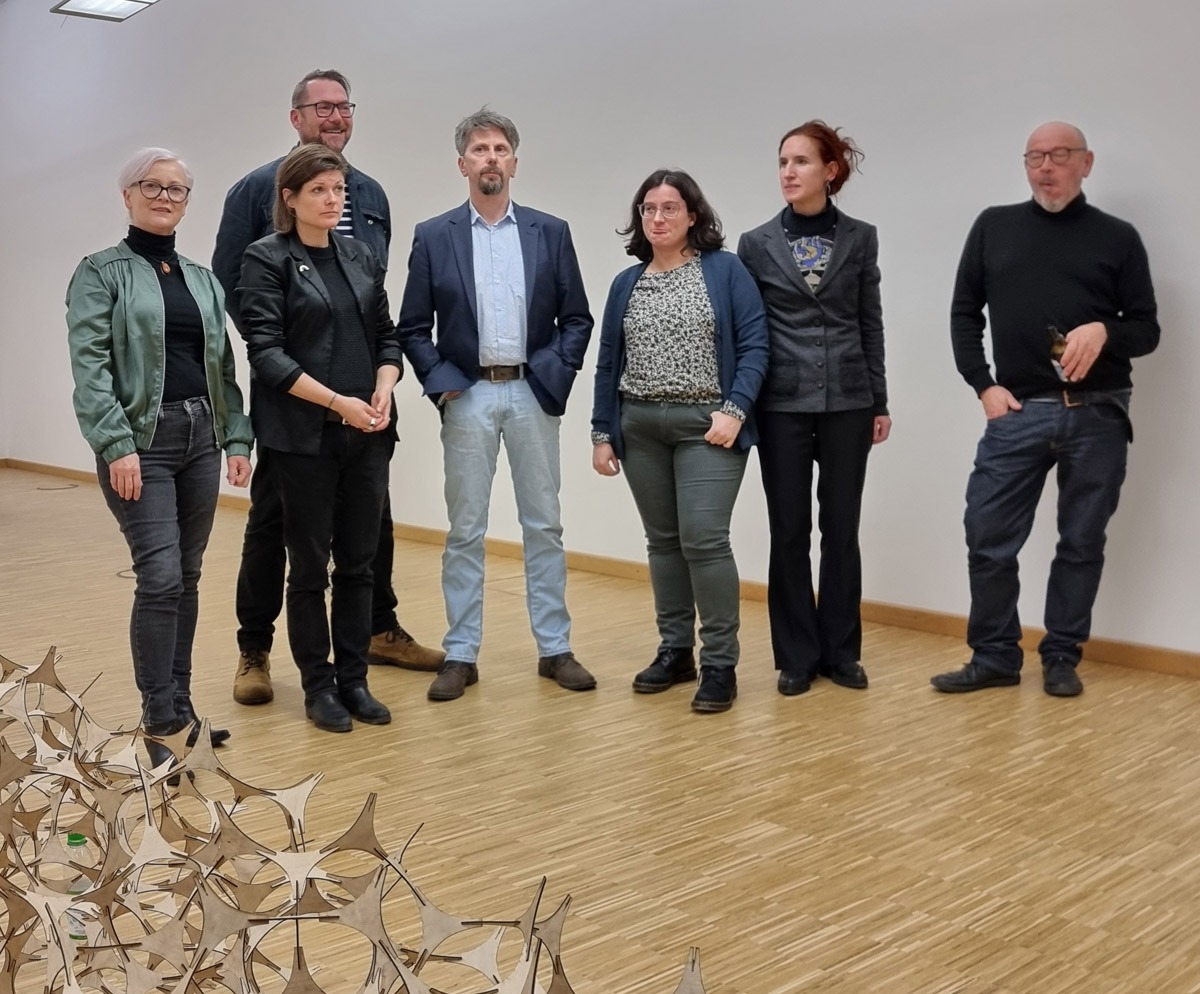
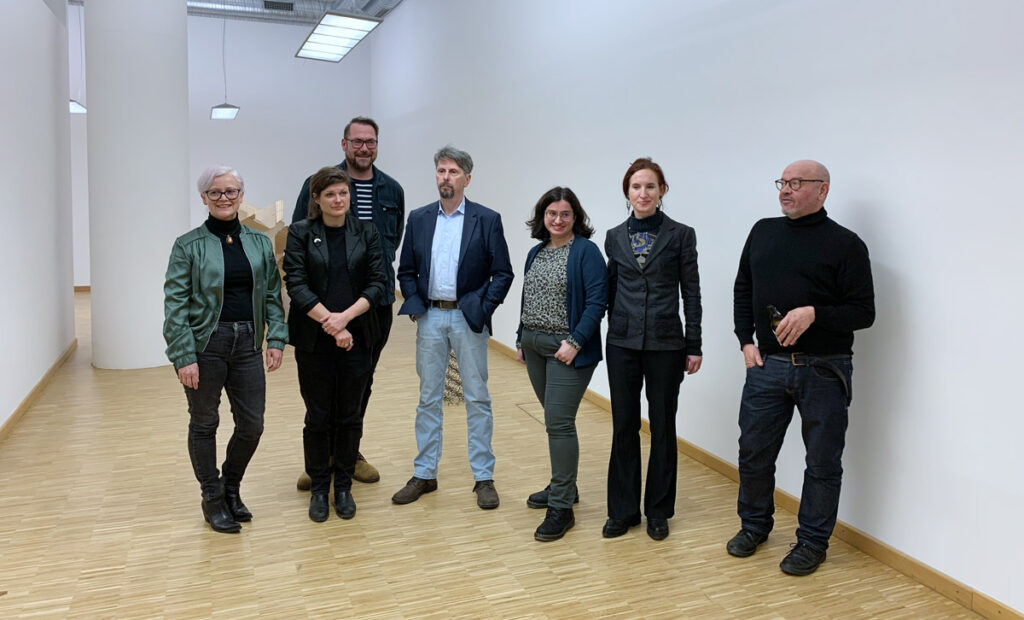
Invited guests: Tina Lorenz (digital theater pioneer, head of the Hertz Lab ZKM Karlsruhe), Alessandra Zarcone (professor of language technologies and cognitive assistance, TH Augsburg), Gerald Bauer (artist), Martina Vordermayer (designer, a3kultur author), Erika Kassnel-Henneberg (artist), Horst Thieme (literature, smart city expert).
Moderation: Jürgen Kannler (a3kultur).
Organizer: a3kultur in cooperation with BBK and Ständige Konferenz e.V.
“Die Gedanken sind frei” (The Thoughts are Free) – a German folk song that has been sung many times as an expression of resistance to oppression. The author and composer are unknown. Does the song take on a new meaning when it comes from the “mouth” of an artificial intelligence? What new verses would the intelligence invent in “its sense”? I let ChatGPT write new verses for this thought experiment. Only the first and last verses are identical to the traditional song. The lip-sync animation was also done with the help of artificial intelligence.
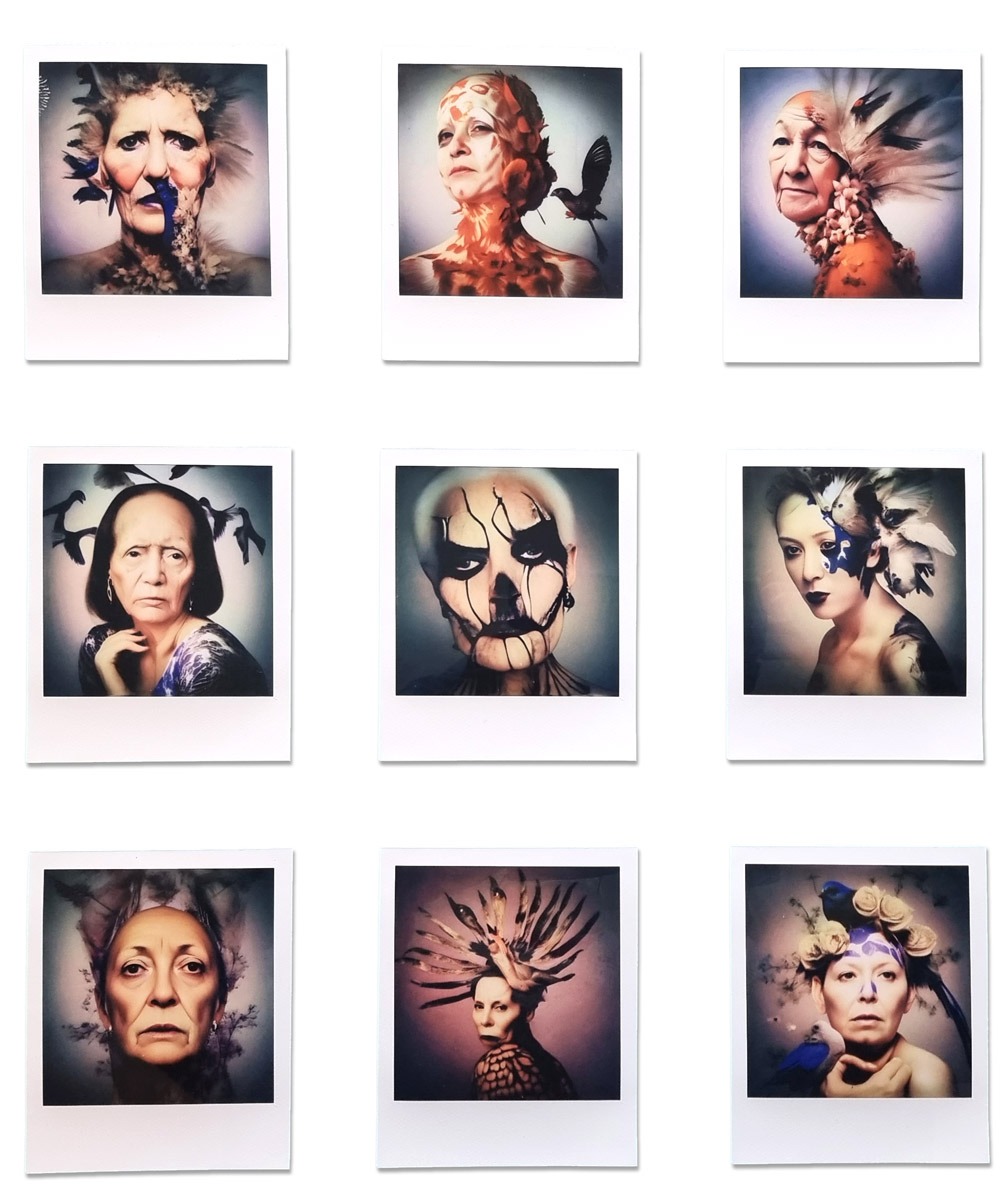
Birth – growth – reproduction – death. The eternal cycle of life. But all the efforts of modern science are aimed at slowing down or even stopping this cycle: fewer illnesses, vitality into old age, eternal youth, and so on. Is this eternity? How old do we want to be? When have we lived enough? These fading beauties never existed, but were generated by an artificial intelligence. They are thus representative reminders of the beauty of human existence in all its imperfection.
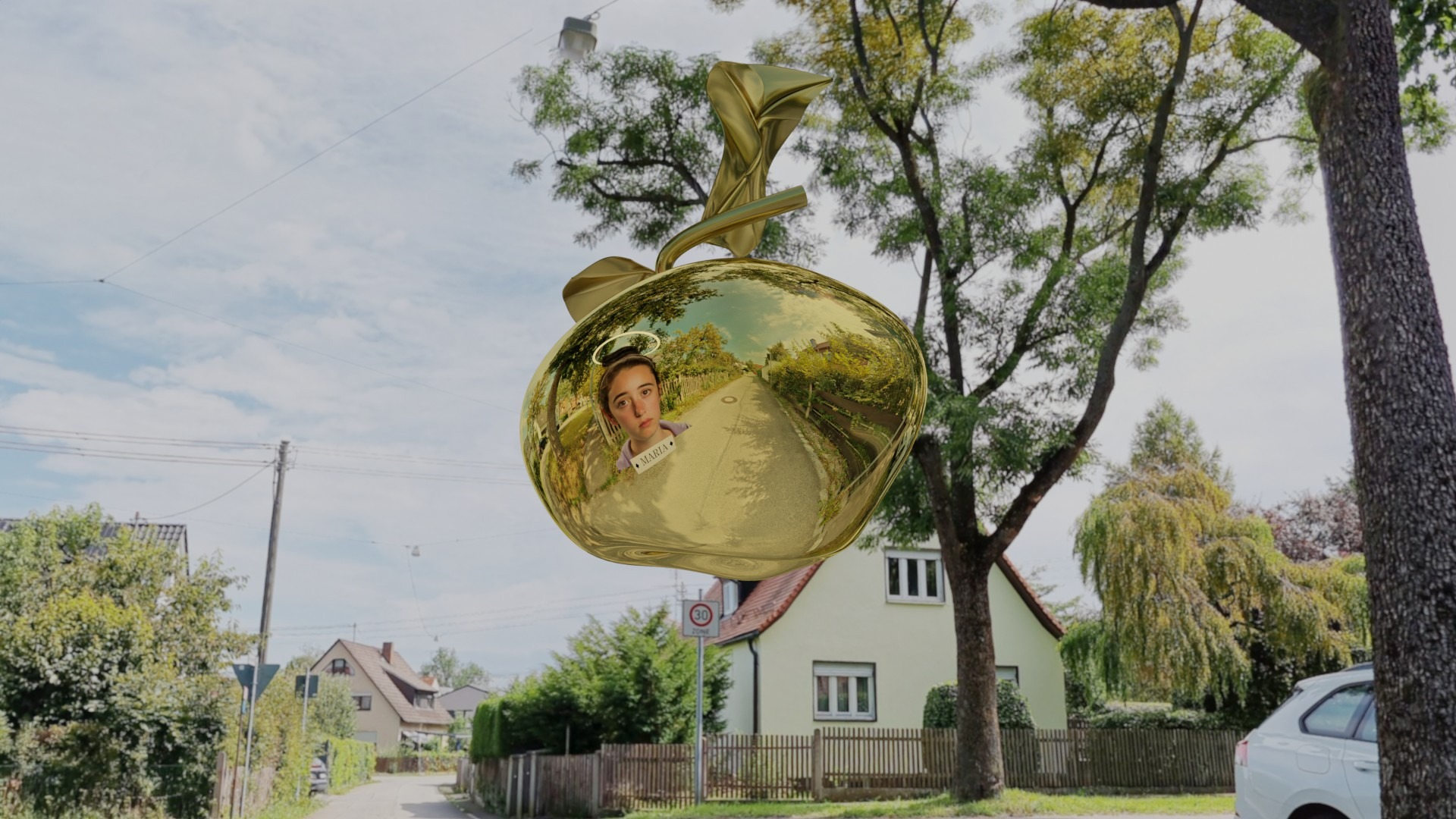
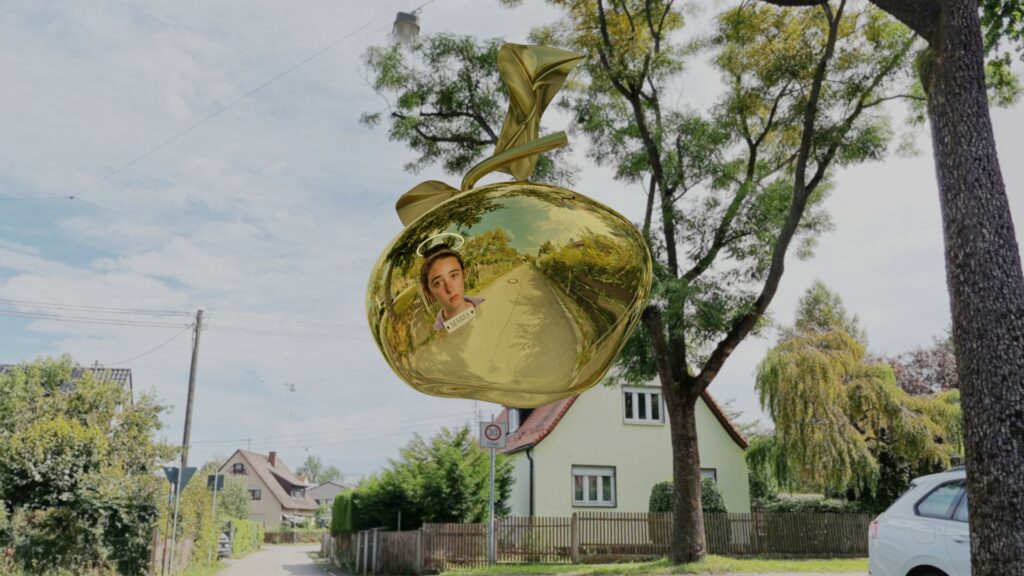
The apple was and is highly symbolic in many cultures: be it as a symbol of eternal youth, eternal life, love, fertility, paradise and the fall of mankind.
In this installation, a golden apple floats in the air like a fixed star. Familiar places are reflected on its shiny surface. How are people doing there and in the world? In contrast, the two-dimensional portraits in this landscape appear strange. Who are these people? The Holy Family? Our neighbours? They never existed, but are the outputs of an artificial intelligence. We live in a time of upheaval. New technologies give us the feeling that we are increasingly losing control over truth and lies, over good and evil. Is this paradise on earth?
The apple hides a secret inside, because there is a small star made up of 5 seeds. It reminds us that our actions determine whether we come a little closer to “paradise on earth”.
Site-specific installation.
Deep Paradise @ St.Konrad / Augsburg-Bärenkeller, 2023, video with sound, 6:07 min
Sandbox is on the one hand a sandy playground for children, on the other hand a term originating from software development for an “isolated area within which any action has no effect on the external environment”. (Wikipedia)
We are sitting in a large virtual sandbox that is anything but isolated. There are many toys in it that we don’t know what they are for. And new ones are added every day. We explore them playfully and in the process we come up with ideas – good or bad….
One such toy is Dall-e 2, one of the most celebrated AIs of 2022, which can create realistic images and even artwork from a text-based description in natural language. This creative act is new and unique, and must be judged as the next stage of evolution.
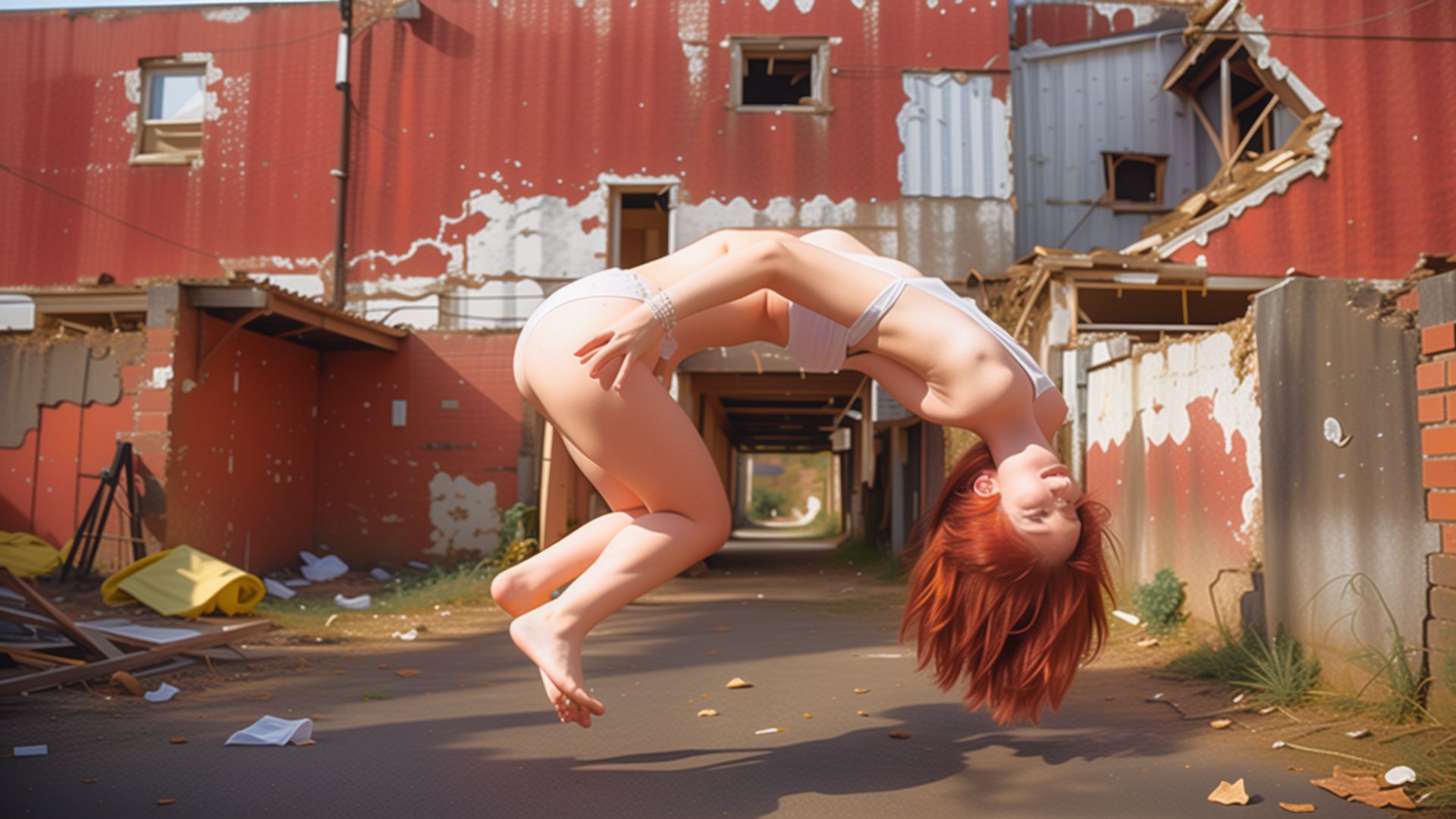
The works Dall-e generates are almost perfect, and yet she generates strangely disturbing outputs in response to seemingly innocuous keywords. It begs the question, is this the toy we would give our children?